Giving the Right Dose of Drugs for MBC: The Patient-Centered Dosing Initiative and Project Optimus


Read about current efforts advocating for giving the right dose of MBC medications to maximize effectiveness and minimize toxicity.
Read about current efforts advocating for giving the right dose of MBC medications to maximize effectiveness and minimize toxicity.
People with MBC may find that creativity can help them cope. Learn more here and find out how to find clinical trials studying ways to improve quality of life.
People with MBC may find that creativity can help them cope. Learn more here and find out how to find clinical trials studying ways to improve quality of life.
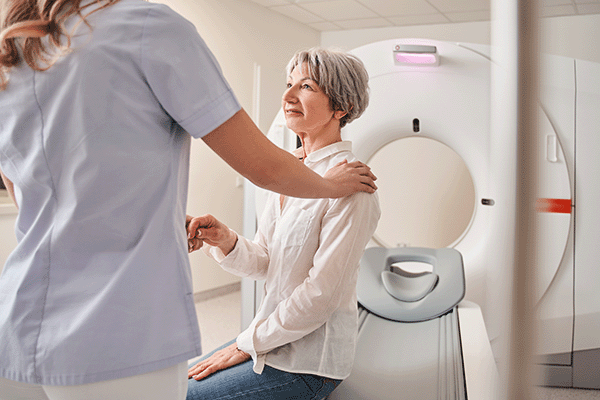
This month, we begin a series about how scans are used to diagnose metastatic disease, look for new sites of metastasis, monitor progression, and assess treatment response.
You may wonder if you can go to doctor’s visits or participate in a clinical trial while continuing to work. Read more here about what to consider when continuing to work during treatment and trials.
You may wonder if you can go to doctor’s visits or participate in a clinical trial while continuing to work. Read more here about what to consider when continuing to work during treatment and trials.
This month, we highlight advice from experts about how to manage sexual health side effects, as well as clinical trials that are studying these side effects. Learn more here.
It’s a myth that you should only join a MBC clinical trial when you have no other treatment options. Here’s why.
Patient navigators, sometimes called patient advocates, are trained to support you throughout your cancer care. Navigators offer a broad spectrum of support, from helping you sort through health insurance forms to coordinating care with your doctors. Often they’re social workers or nurses, but advocates without oncology backgrounds can also get certification. Hospitals and cancer centers have been offering patient navigation programs since the early 1990s — but their popularity is on the rise, largely due to research that shows navigation helps more patients access the care they need, when they need it.
Below you’ll find information on what patient navigators do and their value in cancer care. If you’re interested in a patient navigator supporting you throughout your care, contact your cancer care center to find out if they have navigators available. If they don’t, see the American Cancer Society link below for ways to find a patient navigator.
All cancer patients have certain rights. Some are guaranteed by federal law. Your state may have additional laws it has added to further protect patients. Your health care providers may also post their own patient bill of rights. There also are Bills of Rights that pertain specifically to people participating in clinical trials.
Below are some of the Bills of Rights that protect you as a patient. We’ve also included a Bill of Rights developed for Caregivers. In various ways, they all underscore the same key point: Cancer patients are not and should never be made to feel powerless. Your care should be centered on your needs, not the needs of your health care providers.