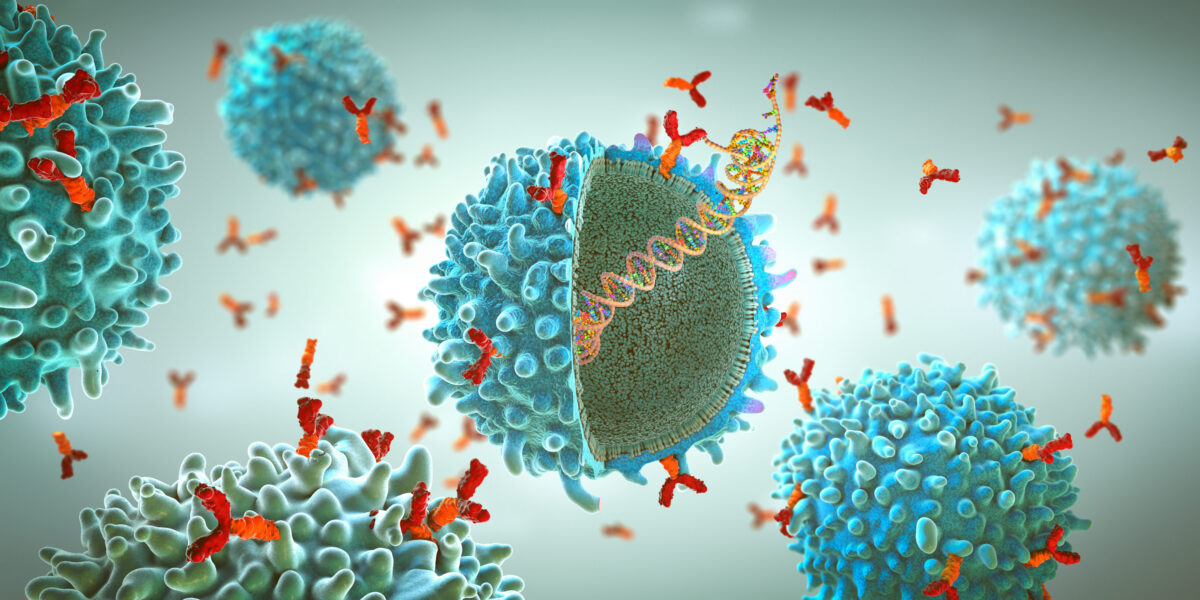
Atezolizumab Immunotherapy Is Withdrawn From FDA-Approval Process


Understand more about the change in approval for Atezolizumab (Tecentriq®) for TNBC.
Understand more about the change in approval for Atezolizumab (Tecentriq®) for TNBC.
What is the difference between CAR T-cell therapy, TCR therapy, TIL therapy, NK cell therapy, and Bria-IMT? Learn more here.
What is the difference between CAR T-cell therapy, TCR therapy, TIL therapy, NK cell therapy, and Bria-IMT? Learn more here.
Learn more about immunotherapy resistance and current clinical trials on metastatic breast cancer immunotherapy.
Learn about oral SERDs in clinical trials for ER+ MBC.
Learn what lymphodepletion is, why it is used during immunotherapy treatment, the pros and cons of lymphodepletion, and the related research.
Learn how liver mets are currently managed and what newer research has found.
Local therapy is important for managing symptoms related to MBC with liver mets. Learn how Yttrium-90 internal radiation therapy (Y-90) may increase survival.
Scientists have discovered that the microenvironment–the cells that surround a tumor–plays a role in both how tumors grow and how they respond to treatment. Researchers also think that certain treatments, like immune checkpoint inhibitors, work in part because of the effect they have on the tumor’s microenvironment.
Below you will find articles and video presentations that discuss the microenvironment, different avenues of tumor microenvironment research scientists are pursuing, and clinical trials listed on BreastCancerTrials.org studying a treatment’s affect on a tumor’s microenvironment.
Women and men with metastatic breast cancer are typically told their cancer can be treated but not cured. This is true for most patients. But there are some patients who have only a small number of metastatic sites who doctors think may potentially have a different outcome. These patients have what is called oligometastatic breast cancer (OBC, oligo is Greek for few).
It is estimated that up to 20% of metastatic breast cancer patients have OBC. Oligometastases is not unique to breast cancer; it is seen in patients with other types of cancers as well. Studies have shown that tumors found in patients with oligometastatic cancer (OC) are biologically different from those seen in patients who have multiple sites of metastases. Whether OC responds to treatment better or is just slow growing isn’t clear.
Some of the articles below discuss OC in general. Others discuss OBC specifically. Each can help you better understand this subset of metastatic cancer and why researchers believe it could, potentially, be cured.
Oligometastatic Breast Cancer (OBC)
Oligometastatic Cancer (OC)
Visit Metastatic Trial Search to find trials for oligometastatic breast cancer.